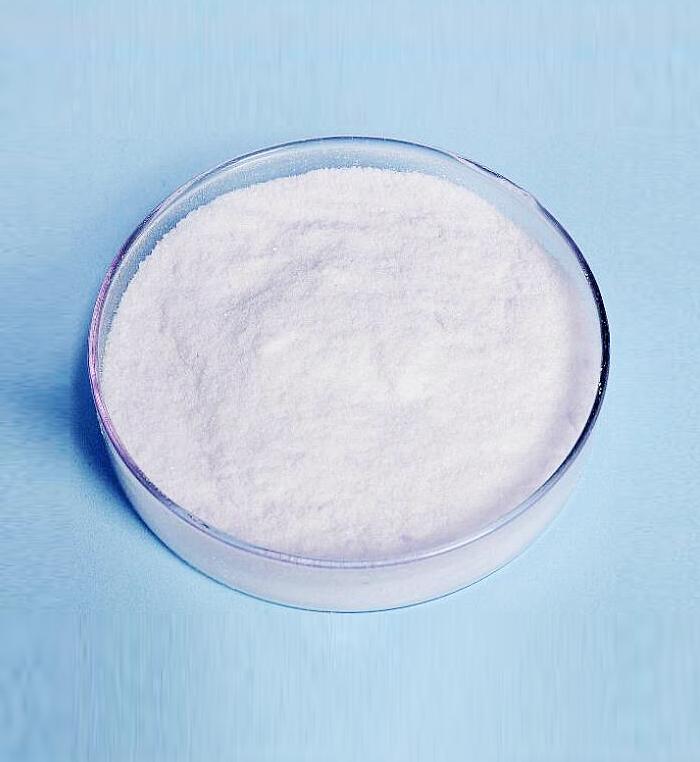
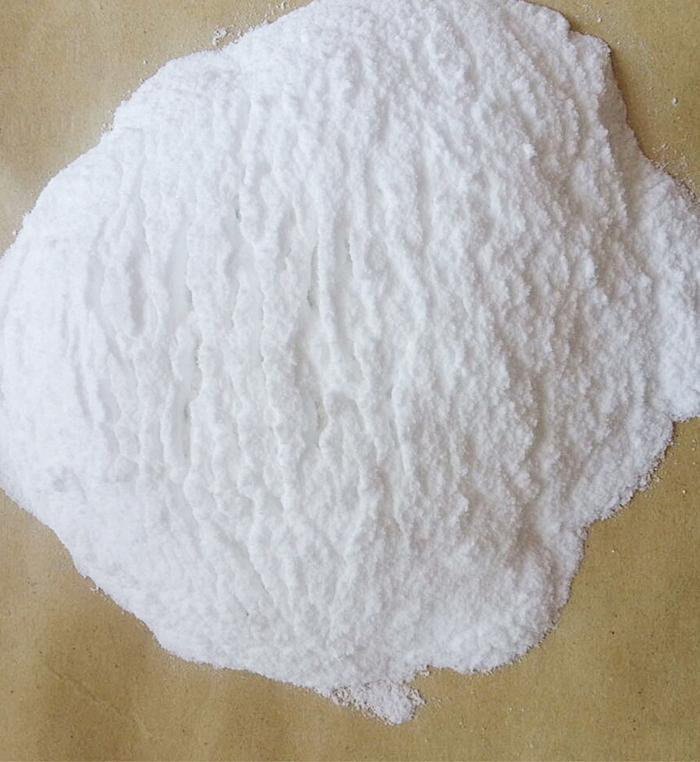
Chemical name: Zinc phenylphosphonate
CAS No.: 34335-10-9
Appearance: white powder
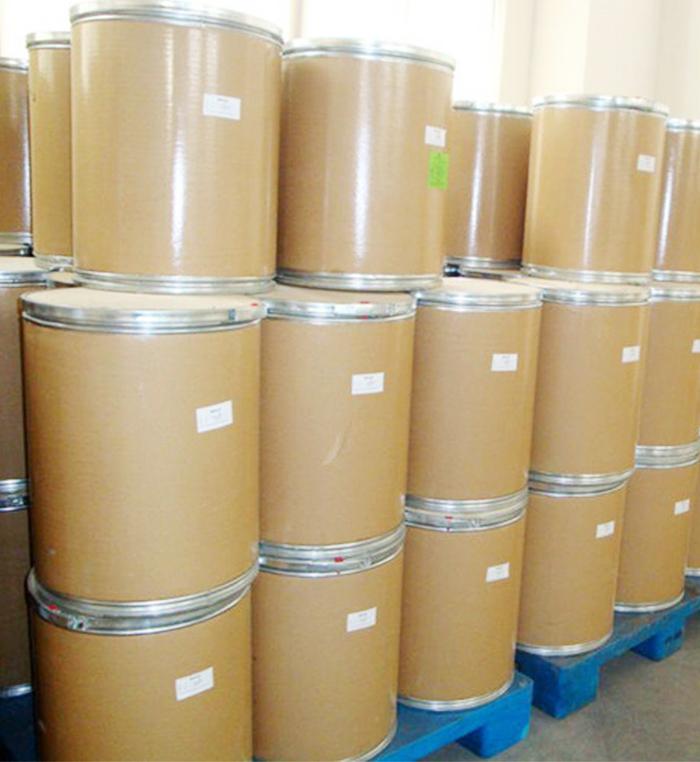
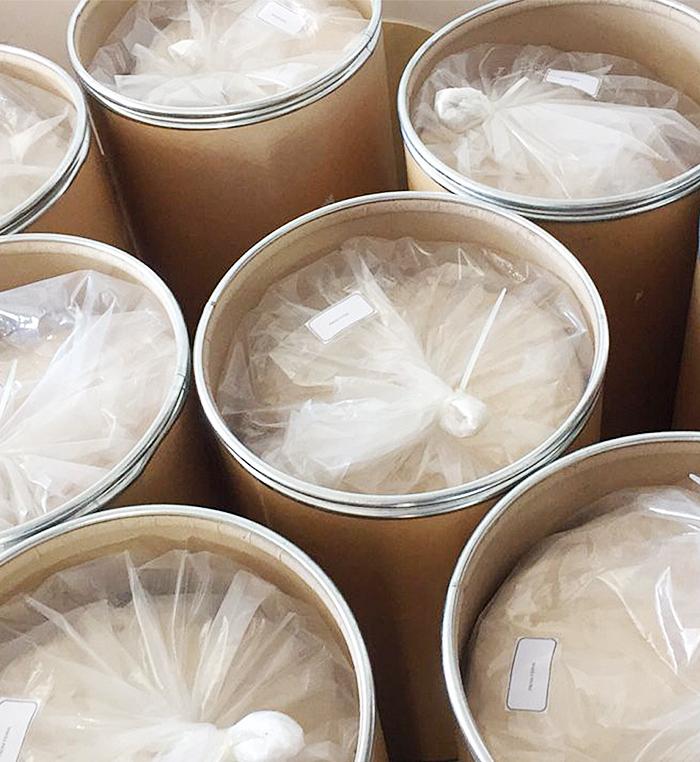
Packing: 10kg/carton, or 20kg/fiber drum
Purity: ≥ 99.0%

Chemical name: Zinc phenylphosphonate
CAS No.: 34335-10-9
Appearance: white powder
Packing: 10kg/carton, or 20kg/fiber drum
Purity: ≥ 99.0%
zinc phenylphosphonate Quick Details
Product Name: Zinc phenylphosphonate
Synonyms: Nucleating Agent TMC-200; Phenylphosphonic acid zinc salt
CAS No: 34335-10-9
Molecular formula: C6H5O3PZn
Molecular weight: 221.4
Chemical Structure:
Appearance: white powder
Purity: ≥ 99.0%
Specification
| Item | Specification |
| Decomposition Temperature | > 400°C (Exceptional processing heat stability) |
| Loss on Drying | ≤ 0.5% |
| Melting point | >300°C |
| Volatile matter(105 ° C) | ≤ 1.0% |
| Average Particle Size (D50) | 2.0 – 4.0 um |
| Heavy Metals (as Pb) | ≤ 10 ppm |
| Water-soluble | Practically insoluble in water and common organic solvents |
| Appearance | White, fine crystalline powder |
zinc phenylphosphonate Usage
High-Efficiency Nucleating Agent for Polyesters and PLA: TMC-200 is one of the most widely used organophosphate nucleating agents in the field of polymer modification, particularly suitable for semi-crystalline engineering plastics.
Polyolefin (PP/PE) and Polyamide (PA) Modification: Acts as a structural modifier during the high-temperature processing of polypropylene and nylon, enhancing the material's tensile strength and thermal shock resistance.
Health safety
Acute oral toxicity test in mice: The nucleating agent TMC-200 has a oral LD50 of more than 5000 mg/kg.bw for both male and female mice, and is a microtoxic substance. This product should be protected from dust formation and away from fire during operation and use.
Packing
10kg/carton, or 20kg/fiber drum, configured for high-precision plastic compounding lines.
zinc phenylphosphonate Storage
Store in a cool, dry, and well-ventilated dedicated chemical auxiliary warehouse. Extremely stable, non-toxic, and non-corrosive under standard environments; keep strictly sheltered from ambient moisture/rain with containers tightly closed to avoid particle caking which hinders uniform polymer matrix dispersion.