Benzenephosphonic acid Quick Details
Chemical Name: Benzenephosphonic acid
Synonyms: Phenylphosphonic acid; Dihydrogenphenylphosphonate; Phosphonicacid,phenyl-
CAS No.: 1571-33-1
EC No.: 216-385-5
Molecular Formula: C6H7O3P
Molecular Weight: 158.09
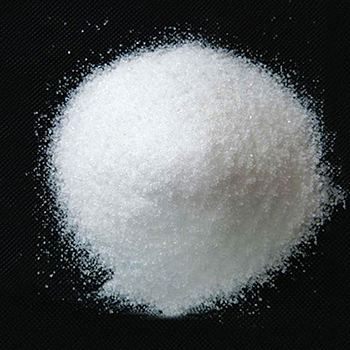
Appearance: White to off-white crystalline powder
Assay: 98.0% min.
Phenylphosphonic acid Specification
| Item |
Specifications |
| Appearance |
White crystalline powder |
| Assay (HPLC/Titration) |
99.0% Min. |
| Melting Point |
161.0 to 165.0 C |
| Solubility (in water) |
Clear and colorless solution |
| Moisture Content |
0.5% Max. |
Benzenephosphonic acid Applications
- Nucleating Agent: Used extensively as a high-performance nucleating agent for polymers, particularly in the processing of polyethyleneterephthalate (PET) and other engineering plastics to improve crystallinity and mechanical properties.
- Catalyst Component: Acts as a catalyst or catalyst modifier in organic synthesis, including the preparation of various esters and polymerization reactions.
- Corrosion Inhibitor: Employed in metal surface treatments and industrial water systems to prevent oxidative corrosion on steel and aluminum surfaces.
- Flame Retardant Intermediate: Serves as a precursor in the synthesis of specialized phosphorus-based flame retardants for resins and coatings.
- Metal Extraction: Used in hydrometallurgy as an extractant for the separation and purification of certain rare earth metals and heavy metals.
- Chemical Intermediate: A versatile building block for the synthesis of phosphinate derivatives and agricultural chemicals.
Benzenephosphonic acid Packaging & Shipping
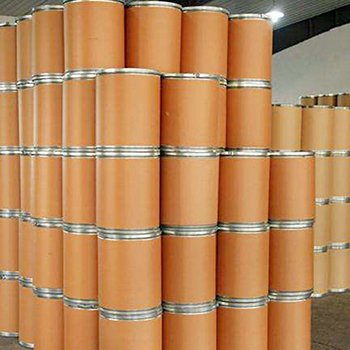
Standard Packaging: 25 kg fiber drums or reinforced plastic bags.
Customizable Packaging: Small scale packaging (1 kg, 5 kg) available for laboratory or pilot use.
Shipping Precautions: Classified as a corrosive solid (UN 3261, Class 8). Must be shipped in compliance with hazardous material regulations. Ensure containers are acid-resistant and securely sealed.
Benzenephosphonic acid Storage
Temperature: Store in a cool, well-ventilated area at room temperature (15-25 C).
Protection: Keep container tightly closed to prevent moisture absorption (hygroscopic nature). Protect from physical damage.
Segregation: Store away from strong bases, oxidizing agents, and reactive metals to avoid exothermic reactions.