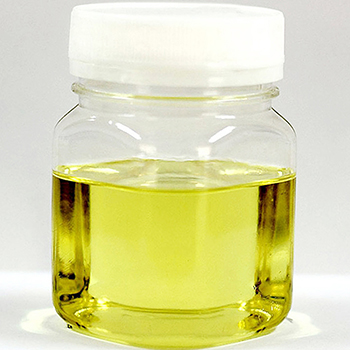
Chemical Name: Naphthenic acid
CAS No.: 1338-24-5
Appearance: Pale yellow to dark amber oily liquid
Assay: 95% Min (Acid Value dependent)

Chemical Name: Naphthenic acid
CAS No.: 1338-24-5
Appearance: Pale yellow to dark amber oily liquid
Assay: 95% Min (Acid Value dependent)
Chemical Name: Naphthenic acid
Synonyms: Cyclopentane carboxylic acid, Petroleum acids
CAS No.: 1338-24-5
EC No.: 215-662-8
Molecular Formula: CnH2n-zO2
Molecular Weight: 180-350 (Variable mixture)
Appearance: pale yellow clear liquid
Assay: 95% Min (Acid Value dependent)
| Item | Specifications |
| Appearance | pale yellow clear liquid |
| Acid Value (mg KOH/g) | 170 – 230 |
| Unsaponifiable Matter | 5.0% Max |
| Moisture (H2O) | 1.0% Max |
| Color (Gardner) | 9 Max |
| Specific Gravity (20 C) | 0.920 – 0.980 |
Metal Carboxylates Production: Primarily used as a precursor to produce metallic naphthenates (such as cobalt, manganese, and lead naphthenates) which serve as vital paint and ink driers.
Wood Preservation: Utilized in the formulation of copper naphthenate, a widely used fungicide and insecticide for treating timber and utility poles.
Fuel Additives: Acts as a specialized additive in lubricants and fuels to improve anti-corrosion properties and stabilize chemical compositions.
Rubber Processing: Serves as a plasticizer and reclaiming agent in rubber manufacturing to improve the elasticity and processing flow of various rubber compounds.
Surfactant Synthesis: Used in the production of specialized emulsifiers and surfactants for industrial cleaning and textile processing applications.
Oil Field Chemicals: Employed in the formulation of corrosion inhibitors and demulsifiers within the petroleum extraction and refining sectors.
Standard Packaging: 200kg plastic or steel drums, or 1000kg IBC tanks.
Shipping Precautions: Classified as a non-hazardous substance for transport in many jurisdictions, but should be handled as a combustible liquid. Keep away from strong oxidizing agents.
Temperature: Store in a cool, dry, and well-ventilated area, preferably at temperatures between 5 C and 30 C.
Protection: Keep containers tightly sealed when not in use to prevent oxidation and moisture absorption.
Segregation: Store away from strong bases, oxidizing materials, and open flames.