Assay: 99.5% min
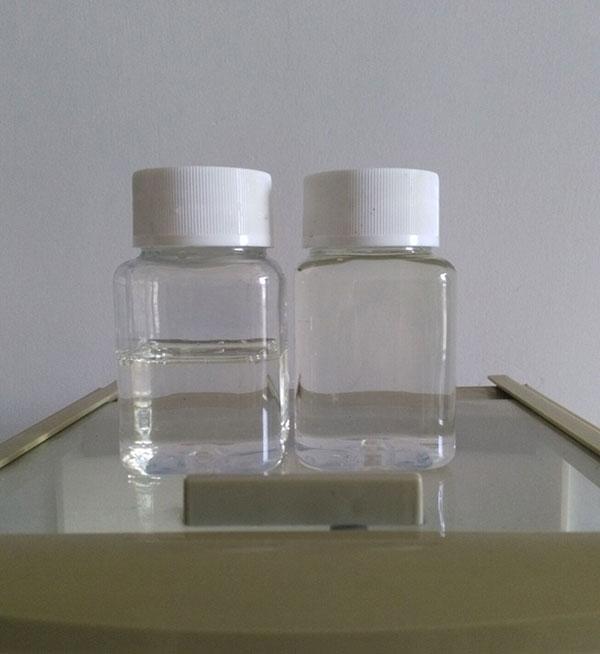
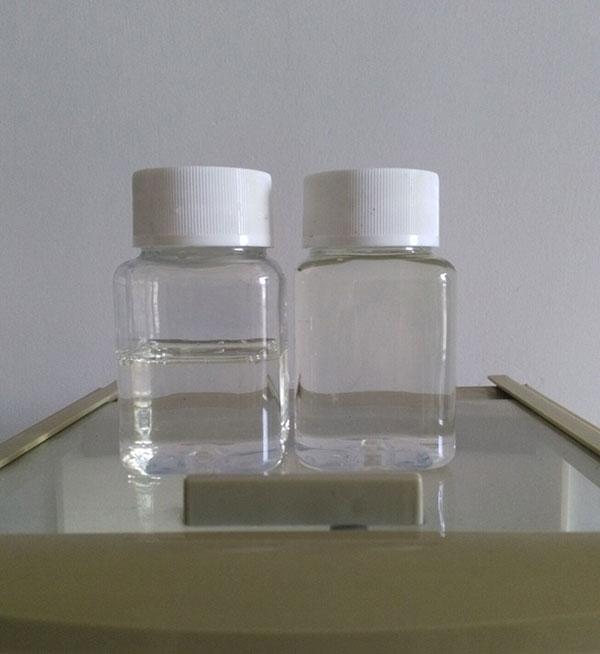
Appearance: Clear liquid
Capacity: 1000 MT per year
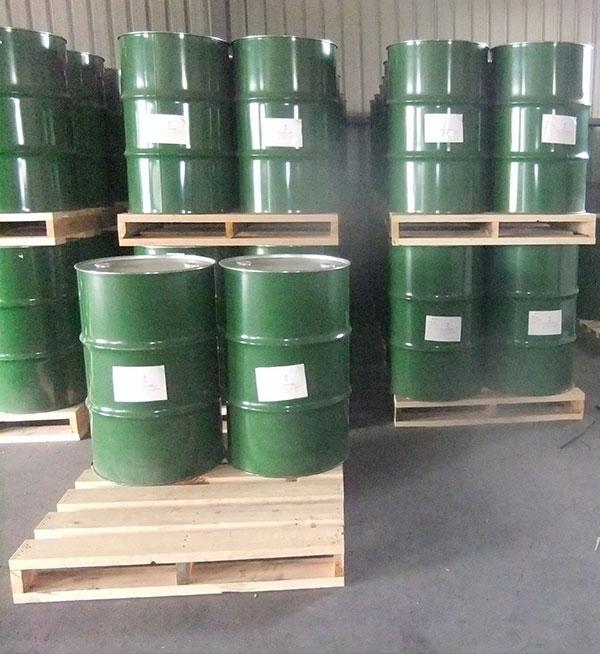
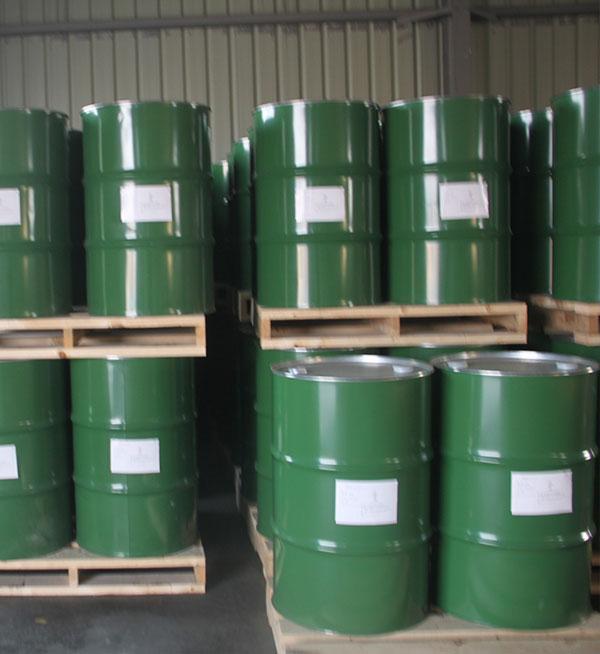
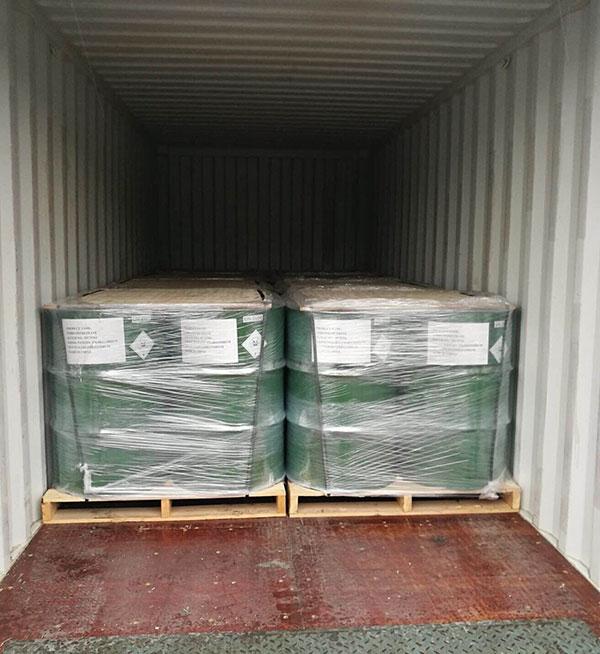
Packaging: 250kg/drum, 400kg/drum, ISO Tank
Sample: available

Assay: 99.5% min
Appearance: Clear liquid
Capacity: 1000 MT per year
Packaging: 250kg/drum, 400kg/drum, ISO Tank
Sample: available
Dibromomethane Quick Details
Chemical Name: Dibromomethane
Synonyms: Methylene Bromide; Methylene dibromide
CAS No.: 74-95-3
Molecular Formula: CH2Br2
Molecular Weight: 173.83
Chemical Structure:
Appearance: Colorless liquid
Purity: ≥99.5%; ≥99.9%
Dibromomethane Typical Properties
| Items | Dibromomethane(99.5%) | Dibromomethane(99.9%) |
| Assay(CH2Br2) | ≥99.5% | ≥99.9% |
| Appearance | Clear liquid | Clear liquid |
| Moisture | ≤100ppm | ≤100ppm |
| Color | ≤30APHA | ≤30APHA |
| Acidity | ≤0.0018mgKOH/g | ≤0.0018 mg KOH/g |
| DCM | ≤0.5% | ≤0.1% |
| BCM | ≤0.5% | ≤0.1% |
| Bromoform | ≤0.5% | ≤0.1% |
| Specific gravity | 2.48 | 2.48 |
The preparation method is prepared by reacting dichloromethane with bromine or reacting bromochloromethane with hydrogen bromide.
CH2Cl2 Br2→CH2Br2 Cl2
CH2BrCl HBr→CH2Br2 HCl
Dibromomethane Usage
1. In the pharmaceutical industry, dibromomethane is the raw material for the preparation of the fungicides cyproteril and imiprazole.
2. This product is used as a raw material for organic synthesis. It can be used as a component of solvents, refrigerants and antiknock agents; as a disinfectant and analgesic.
3. Dibromomethane, as a pesticide intermediate, is the main raw material for the synthesis of new high-efficiency, broad-spectrum fungicides, and is the raw material for large-tonnage acaricides.
4. Dibromomethane is a good flame retardant. The addition of dibromomethane to the polymer effectively reduces the heat of combustion of the plastic when it is burned.
Dibromomethane Packaging
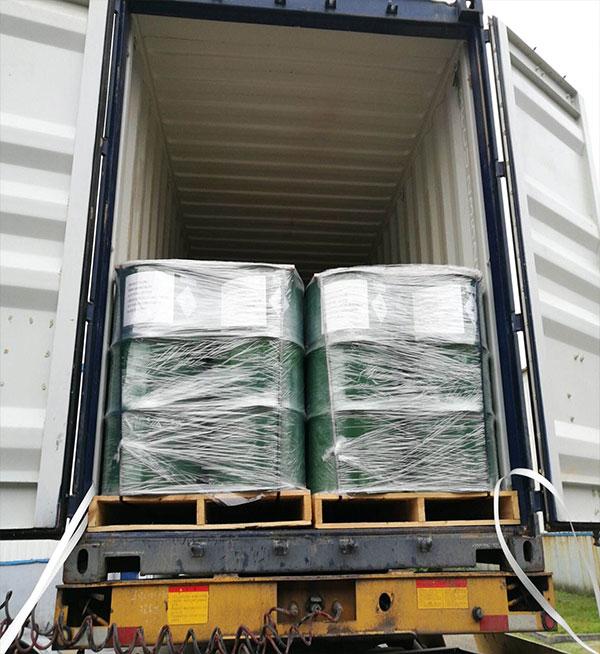
250kg/drum; 400kg/drum; 23tons/tank or 24tons/tank.
The number of 20FCL container loading: 20tons.
Dibromomethane Storage
Keep container tightly sealed in a cool, dry, dark, and well-ventilated dedicated toxic chemical warehouse.
Protect strictly from direct sunlight, open flames, high heat, and contact with strong oxidizers, active metals