Chemical name: TPO-L
Assay: ≥95%
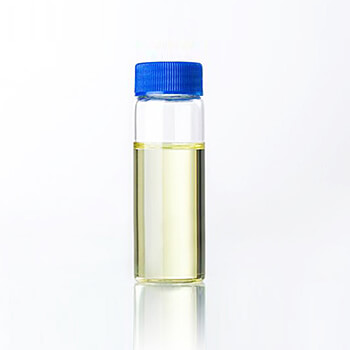
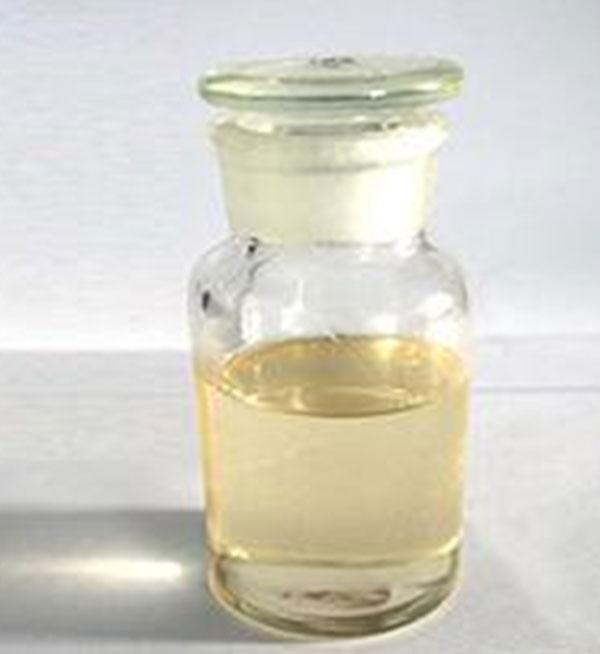
Appearance: Light yellow liquid
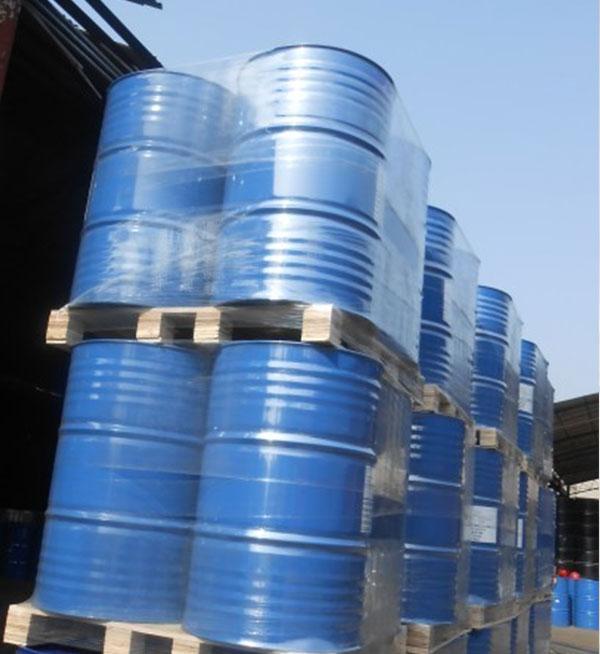
Packaging: 180 KG/drum; 200kg/steel drum
Sample: available

Chemical name: TPO-L
Assay: ≥95%
Appearance: Light yellow liquid
Packaging: 180 KG/drum; 200kg/steel drum
Sample: available
TPO-L Quick Details
Chemical Name: TPO-L
Synonyms: Photoinitiator TPO-L; Ethyl (2,4,6-trimethylbenzoyl)phenylphosphinate
CAS No.: 84434-11-7
Molecular Formula: C18H21O3P
Chemical Structure:
Molecular weight: 316.33
Appearance: Light yellow liquid
Assay: ≥95.0%
Typical Properties
| Items | Specifications |
| Appearance | Light yellow liquid |
| Assay | ≥95.00% |
| Clarity | Clear |
| Boiling Point | > 200°C at 760 mmHg |
| Density | 1.110 – 1.130 g/cm³ at 20°C |
| Refractive index | 1.5450 – 1.5520 at 20°C |
| Flash point | 145°C |
| Absorption Peaks | 365 nm, 380 nm, 393 nm |
TPO-L Usage
LED-Curing & 3D Printing Photopolymer Resins (Core Absolute Application): Serves as a premier liquid high-efficiency free-radical photoinitiator engineered for modern energy-curable systems.
Deep Through-Cure & Low Yellowing: Demonstrates exceptional reactivity toward UV-LED light sources (specifically 365 nm, 385 nm, 395 nm, and 405 nm wavelengths). It effortlessly penetrates thick or heavily pigmented coatings (such as titanium dioxide white or black lacquers) to achieve complete deep curing while minimizing post-yellowing.
3D Printing Photopolymers (SLA / DLP / LCD): Applied as a primary initiator inside 3D printing resins; being liquid, it blends seamlessly into acrylate and polyurethane-acrylate formulations, yielding crisp printing resolution, high optical clarity, and low odor.
Radiation-Curable Coatings, Inks & Adhesives: Widely formulated into wood coatings, plastic finishes, paper overprint varnishes, UV screen/inkjet inks, electronic encapsulants, and optical clear adhesives (LOCA).
Packaging and Shipping
180 KG/drum; 200kg/steel drum
Storage
Highly sensitive to long-wave UV light and ambient visible light; solar or actinic light exposure triggers premature polymerization.
Must be stored in a cool, dry, dark, and well-ventilated dedicated chemical warehouse.
Keep strictly away from heat sources, open flames, and direct light exposure; suggested storage temperatures should be maintained between 15 – 25°C.
Keep containers hermetically sealed, nitrogen-blanketed, and strictly light-protected.