Chemical Name: Tri-p-tolylphosphine
CAS No.: 1038-95-5
EC No.: 213-888-2
Molecular Formula: C21H21P
Molecular Weight: 304.37
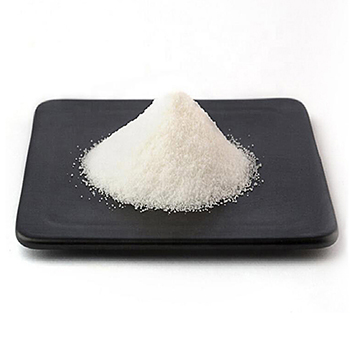
Appearance: White to pale yellow crystals or crystalline powder
Assay: >= 98.0%

Chemical Name: Tri-p-tolylphosphine
CAS No.: 1038-95-5
EC No.: 213-888-2
Molecular Formula: C21H21P
Molecular Weight: 304.37
Appearance: White to pale yellow crystals or crystalline powder
Assay: >= 98.0%
Tri-p-tolylphosphine Quick Details
Chemical Name: Tri-p-tolylphosphine
Synonyms: Tris(4-methylphenyl)phosphine; Tri(4-tolyl)phosphine; Tris(p-tolyl)phosphine; Phosphine, tris(4-methylphenyl)-; tri-p-tolylphosphine
CAS No.: 1038-95-5
EC No.: 213-888-2
Molecular Formula: C21H21P
Molecular Weight: 304.37
Appearance: White to pale yellow crystals or crystalline powder
Assay: >= 98.0%
Tri-p-tolylphosphine Specification
| Item | Specifications |
| Appearance | White to pale yellow crystals or crystalline powder |
| Assay (GC) | >= 98.0% |
| Melting Point | 144 C to 148 C |
| Moisture Content | <= 0.5% |
Tri-p-tolylphosphine Applications
Serves as an effective phosphine ligand in transition-metal catalyzed cross-coupling reactions coupling pathways.
Acts as an important electron-donating ligand in organometallic chemistry and coordination complex synthesis.
Utilized as a specialized fine chemical intermediate for synthesizing advanced pharmaceutical compounds and bioactive molecules.
Applied in catalytic systems for industrial polymer modification and specialty material production.Employed in research and development laboratories for optimizing asymmetric synthesis and catalytic efficiency.
Tri-p-tolylphosphine Packaging & Shipping
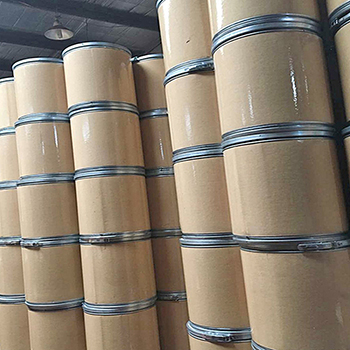
Standard Packaging: 1 g, 5 g, 25 g, or 100 g glass bottles, and 1 kg or 5 kg fiber drums lined with double polyethylene bags.
Customizable Packaging: Available in custom high-purity packaging configurations or specialized inert-gas-flushed containers upon request.
Shipping Precautions: Transport as general chemical goods or non-hazardous material; keep containers tightly closed, protected from excessive heat and direct sunlight during transit.
Tri-p-tolylphosphine Storage