Chemical Name: Ethyl 6,8-dichlorooctanoate
CAS No.: 1070-64-0
EC No.: 213-972-1
Molecular Formula: C10H18Cl2O2
Molecular Weight: 241.15
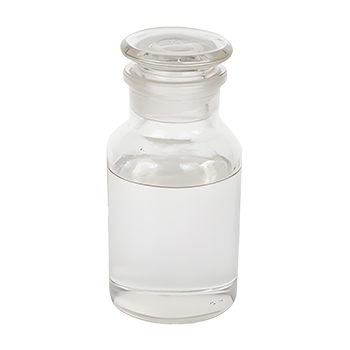
Appearance: Colorless to pale yellow liquid
Assay: 98.0% Min

Chemical Name: Ethyl 6,8-dichlorooctanoate
CAS No.: 1070-64-0
EC No.: 213-972-1
Molecular Formula: C10H18Cl2O2
Molecular Weight: 241.15
Appearance: Colorless to pale yellow liquid
Assay: 98.0% Min
Ethyl 6,8-dichlorooctanoate Quick Details
Chemical Name: Ethyl 6,8-dichlorooctanoate
Synonyms: 6,8-Dichlorooctanoic acid ethyl ester; 6,8-dichlorooctanoate; Ethyl-6,8-dichloroctanoate; 6,8-Dichloro-octanoic acid ethyl ester; 6,8-Dichloroocatnoate
CAS No.: 1070-64-0
EC No.: 213-972-1
Molecular Formula: C10H18Cl2O2
Molecular Weight: 241.15
Appearance: Colorless to pale yellow liquid
Assay: 98.0% Min
Ethyl 6,8-dichlorooctanoate Specification
| Item | Specifications |
| Appearance | Colorless to light yellow clear liquid |
| Assay (GC) | >= 98.0% |
| Density (25 C) | 1.10 – 1.12 g/cm3 |
| Water Content | <= 0.5% |
| Single Impurity | <= 0.5% |
Ethyl 6,8-dichlorooctanoate Applications
Key Intermediate for Alpha-Lipoic Acid: Serves as a vital structural building block in the chemical synthesis of Alpha-Lipoic Acid (Thioctic Acid), which is a high-demand antioxidant used extensively in pharmaceuticals and dietary supplements.
Pharmaceutical Chemical Synthesis: Utilized as a specialized halogenated ester intermediate for introducing the dichlorooctanoate core into active pharmaceutical ingredients (APIs) and advanced organic research compounds.
Organic Fine Chemical Intermediates: Applied in specialized ester and halogen replacement reactions within fine chemical production to yield multi-functional organic compounds.
Ethyl 6,8-dichlorooctanoate Packaging & Shipping
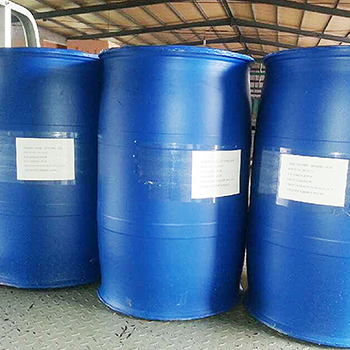
Standard Packaging: 200 kg net weight plastic-lined iron drums, or 1000 kg IBC tanks.
Ethyl 6,8-dichlorooctanoate Storage
Temperature: Store in a cool, dark, dry, and well-ventilated location, ideally at temperatures between 2 C and 8 C (or below 25 C for short-term handling).
Protection: Keep container tightly closed when not in use to avoid moisture absorption and hydrolytic degradation.
Segregation: Keep separate from strong oxidizing agents, strong bases, strong reducing agents, and direct heat sources.