Assay: ≥98%
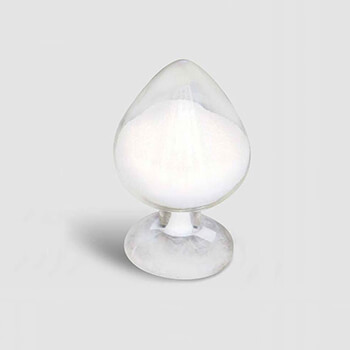
Appearance: White crystalline powder
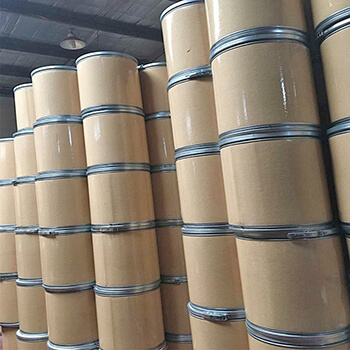
Packaging: 1kg/bag, 25kg/drum (Customizable)
Sample: Available

Assay: ≥98%
Appearance: White crystalline powder
Packaging: 1kg/bag, 25kg/drum (Customizable)
Sample: Available
Heptyltriphenylphosphonium Bromide Quick Details
Chemical Name: Heptyltriphenylphosphonium Bromide
Cas No.: 13423-48-8
Molecular Formula: C₂₅H₂₈Brp
Molecular Weight: 455.37
Heptyltriphenylphosphonium Bromide Typical Properties
| Items | Specification |
| Appearance | White To Off-White Crystalline Powder |
| Purity | ≥ 98% |
| Melting Point, °C | 185–190 |
| Solubility | Soluble In Polar Organic Solvents (Methanol, Ethanol, Dmf, Dmso) |
Product Introduction:
Tetraphenylphosphonium phenolate is an ionic compound consisting of a tetraphenylphosphonium cation and a phenoxide (phenolate) anion. It typically appears as a white crystalline powder. This compound is valuable in organic chemistry due to the combination of a bulky, stable, and often lipophilic phosphonium cation with a reactive phenoxide anion.
The phenoxide is a good nucleophile and a relatively strong base, while the tetraphenylphosphonium counterion can influence solubility and reactivity, particularly in non-polar media.
Main Uses:
Organic Synthesis (Reagent & Catalyst): It serves as a source of the phenoxide anion, which can act as a nucleophile or a base in various organic reactions. It can be used for deprotonation, C-O bond formation, or as a catalyst in certain transformations where a mild, non-metal base or a phenoxide nucleophile is required.
Polymer Chemistry: Tetraphenylphosphonium salts, including phenolate, can be used as catalysts or co-catalysts in certain polymerization reactions, especially those involving epoxides or other ring-opening polymerizations. The phenoxide part can also be incorporated into polymer backbones.
Phase Transfer Catalysis: While not a typical phase transfer catalyst (due to the phenoxide being the active species rather than a transported anion), the tetraphenylphosphonium cation can facilitate reactions in biphasic systems by promoting the solubility or reactivity of species in organic phases.
Research and Development: It is used in academic and industrial research for exploring new synthetic methodologies, particularly in areas involving phenolic derivatives, complex base chemistry, or new catalytic systems.
Stabilizer/Additive: In some specialized applications, phosphonium salts can serve as thermal stabilizers or additives in polymer formulations.
Heptyltriphenylphosphonium Bromide Packaging And Shipping
Typically Packaged In 25kg Drums, 1kg Bottles, Or According To Customer Requirements.
Store And Transport As Non-Hazardous Chemical Unless Otherwise Specified By Local Regulations.
Heptyltriphenylphosphonium Bromide Storage
Store In a Cool, Dry, Well-Ventilated Area.
Keep Away From Moisture, Heat, And Strong Oxidizing Agents.
Container Should Be Tightly Sealed To Maintain Product Stability.